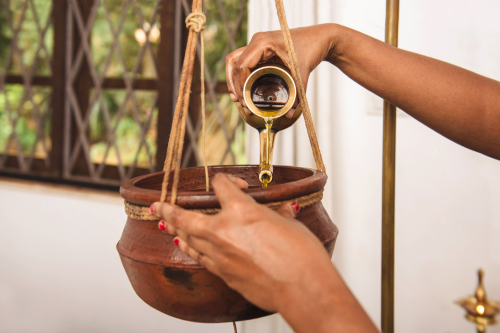
Ayurvedic treatment is a holistic healing system that originated in India over 5,000 years ago. It is one of the oldest medical systems in the world and is still widely practiced today. The word “Ayurveda” is derived from two Sanskrit words: “Ayur,” which means life, and “Veda,” which means science or knowledge. Thus, Ayurveda is often referred to as the “science of life.”
Ayurvedic treatment encompasses various approaches to promote health and well-being, including:
Diet and Nutrition: Ayurveda emphasizes the importance of eating according to one’s constitution and the balance of doshas. It recommends specific foods, herbs, and spices to promote health and prevent illness.
Herbal Medicine: Ayurvedic practitioners use a wide range of herbal remedies to treat various ailments. These herbal formulations are typically made from natural plant-based ingredients.
Yoga and Meditation: Ayurveda incorporates yoga and meditation to promote physical strength, flexibility, and mental relaxation. These practices are believed to harmonize the body and mind.
Ayurvedic Massage (Abhyanga): Ayurvedic massage techniques use warm oils infused with herbs to improve circulation, relax muscles, and remove toxins from the body.
Panchakarma: This is a series of therapeutic treatments aimed at detoxifying and rejuvenating the body. It includes processes like Vamana (emesis), Virechana (purgation), Basti (enema), Nasya (nasal administration of medicated oils), and Raktamokshana (bloodletting).
Lifestyle Recommendations: Ayurveda provides guidelines on daily routines, seasonal regimens, and lifestyle habits to maintain balance and prevent illness.
Ayurvedic Diagnosis: Ayurvedic practitioners use various diagnostic methods, such as pulse examination, tongue examination, and observation of physical characteristics, to assess the patient’s constitution and imbalances.