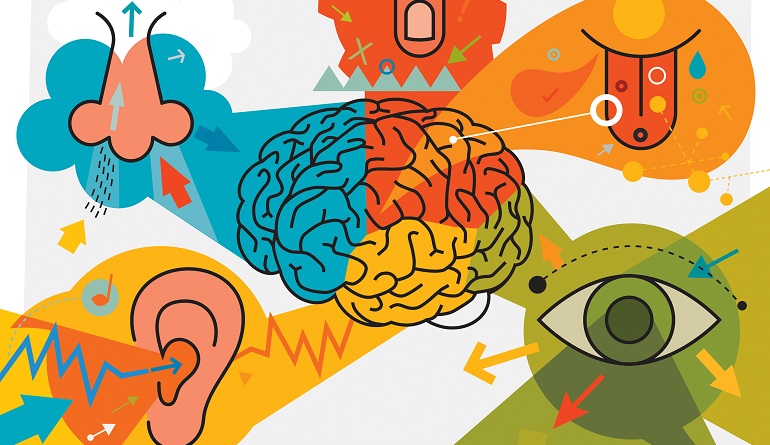
Sensory integration refers to the process by which the brain receives, organizes, and interprets sensory information from the environment and the body. It is crucial for individuals to effectively respond to sensory input, make sense of their surroundings, and engage in appropriate behaviors.
Sensory integration involves the integration of sensory inputs from multiple modalities, including sight, hearing, touch, taste, smell, and movement. The sensory system includes sensory receptors throughout the body, such as in the skin, muscles, joints, and internal organs, which send information to the brain for processing.
When sensory integration functions well, individuals can effectively filter and prioritize sensory information, maintain an appropriate level of arousal, and respond adaptively to sensory stimuli. However, some individuals may have difficulties with sensory integration, resulting in sensory processing disorders or sensory processing challenges.
Sensory processing disorders refer to atypical or disorganized processing of sensory information, which can lead to difficulties in regulating responses to sensory stimuli. These disorders can manifest in various ways, including hypersensitivity (over-responsiveness) or hyposensitivity (under-responsiveness) to sensory input, poor sensory discrimination, difficulties with sensory modulation and regulation, and challenges with sensory-based motor skills.